
Key Takeaways
Transitioning from static, one-off cultural sessions to a continuous support model is essential for assignment success. This article outlines how data-driven, situation-specific coaching transforms the global mobility landscape.
- Abandon static, pre-departure training in favor of ongoing cultural intelligence.
- Address city-level differences rather than relying on national-tier generalizations.
- Integrate real-time feedback loops to turn daily interactions into learning opportunities.
- Support the entire family unit to prevent the high failure risks associated with integration.
- Prove program value by tracking engagement and early warning indicators rather than completion rates.
The limitations of traditional cross cultural training programs
Why pre-departure sessions often fail
Traditional programs often crowd information into the weeks before the journey, providing answers to questions that the assignee has not yet encountered. This front-loading creates a false sense of preparedness. By the time the assignee arrives on-site and faces genuine cultural challenges, the original instruction has usually been forgotten.
The danger of relying on national stereotypes
When educators use broad generalizations about a country's culture, they often obscure the nuances of daily professional life. Assignees need to understand specific working environments rather than high-level national trends. Relying on such archetypes can prevent deep engagement with actual counterparts, leading to predictable errors in sensitive business interactions.
The disconnect between awareness and actual competence
Training that focuses solely on cultural appreciation rarely builds the muscle needed for conflict resolution. True capability requires practice in the field, not just theoretical understanding. Many professionals struggle to bridge this gap during high-stakes negotiations, illustrating why the Master effective cross-cultural communication strategies are foundational to building real intelligence.
Shifting from national to city-level cultural intelligence

Understanding why Berlin and Munich require different coaching
Even within the same borders, urban centers operate on distinct social rhythms. A program that treats Munich and Berlin as interchangeable hubs ignores the reality that professional formality levels often diverge wildly. Coaches must leverage Destination Intelligence to ensure advice is strictly calibrated to the city where the work actually happens.
Factoring in the specific host manager’s operational style
Interaction styles are driven by personalities as much as by national background. Successful integration depends on understanding a host manager’s preference for direct feedback or hierarchical structure. Providing a cultural working read for the manager can prevent the friction that occurs when two different approaches to communication collide.
Assessing city-specific social and professional norms
Beyond the office, city-specific norms govern everything from restaurant habits to neighborhood networking. Assignees benefit from Daily Dispatch updates that provide nuance for their specific zip code rather than a country-wide template. This localized data helps them build rhythms in their personal life just as effectively as in their professional life.
The role of continuous feedback in assignment success
Moving from episodic learning to ongoing support
Global mobility managers now recognize that support must match the duration of the mission itself. Instead of one workshop, success comes from Always-On Cultural Intelligence Platform integration that monitors progress. This persistent engagement ensures that challenges are addressed as they emerge, rather than in hindsight during exit interviews.
Connecting coaching to real-time work interactions
When an assignee encounters a difficult meeting, they need immediate, actionable debriefs. Tools that offer Calendar Coaching allow the user to receive specific guidance hours before stepping into the room. This transforms training into a practical, daily utility rather than a distant theoretical requirement.
Transforming training into a tool for daily problem solving
Successful assignees use coaching platforms to decode subtle cues during their daily work, such as how to read silence or interpret indirect feedback. By turning Counterpart Intelligence into standard practice, users can actively manage their own growth. It is essential to build real-time habits over time to ensure that professional relationships remain strong throughout the relocation cycle.
Implementing a coaching-first versus training-first strategy
Why managers need guidance on cross-cultural delegation
Host managers often receive assignees without understanding the unique communication needs each individual brings. Providing the right Host Manager Portal resources ensures that task handoffs are clear. This helps everyone move toward a shared understanding of project goals, reducing frustration for both the manager and the assignee.
Empowering the assignee with real-time, situation-specific scripts
Assignees gain confidence when they have access to context-aware scripts for sensitive performance conversations or deadline negotiations. Using a platform to rehearse these interactions ensures that every message reaches the intended audience accurately. Such preparation is far more effective than generic advice, as evidenced by common outcomes in the Host Manager Portal framework.
Using technology to drive long-term, durable capability
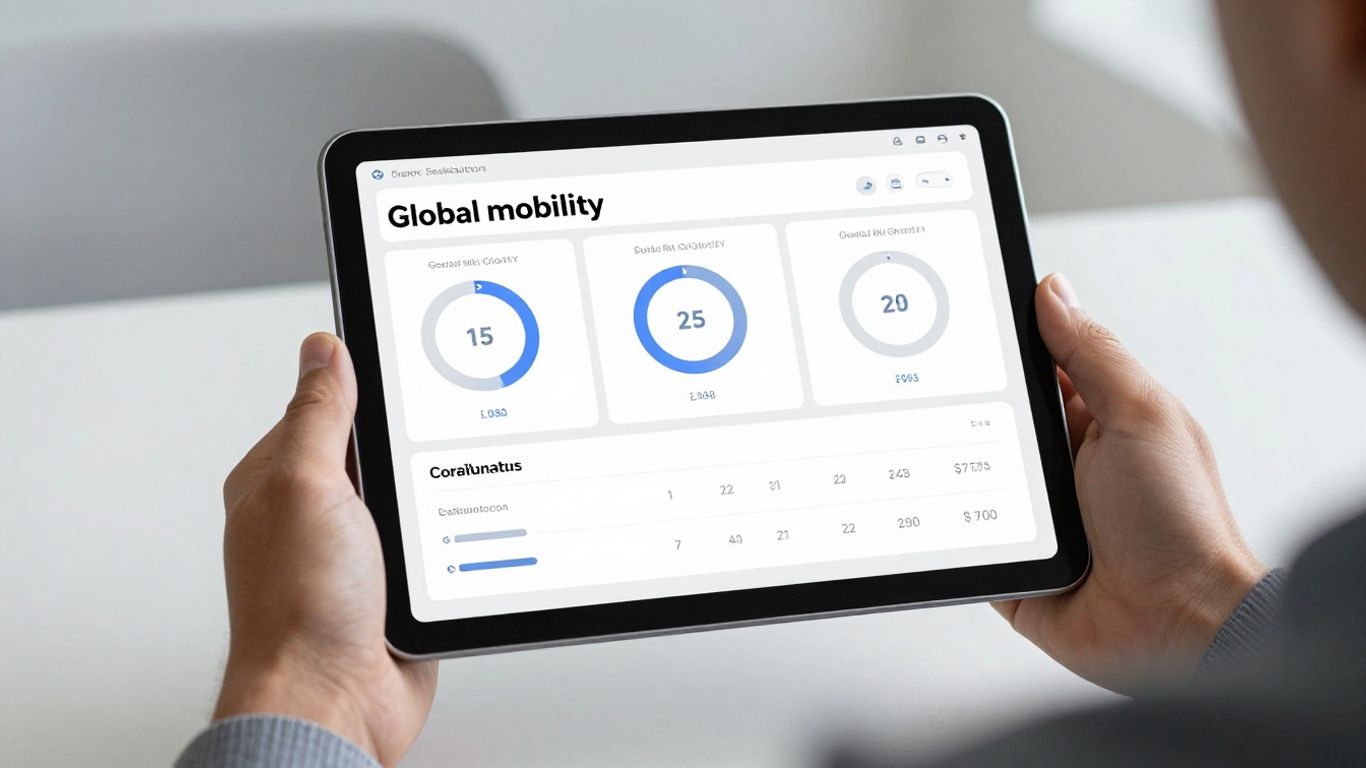
Modern platforms use data to optimize the training trajectory based on the user's specific hurdles. While the software provides the structure, the user conducts the work themselves, ensuring that skills become permanent attributes rather than temporary knowledge points. The following metrics indicate how programs measure this adoption:
| Indicator | Frequency | Purpose |
|---|---|---|
| Active Engagement | Daily | Track consistent usage |
| Skill Growth | Weekly | Identify behavior shifts |
| Risk Resolution | Monthly | Close down potential threats |
Measuring the ROI of modern cross cultural development
Tracking engagement metrics throughout assignment milestones
Programs that use Programme Analytics & ROI effectively move beyond simple attendance records. By viewing engagement rates alongside specific assignment hurdles, organizations gain a clear line of sight into success. This helps teams identify which interventions generate the most value for the program as a whole.
Identifying early warning signs of potential failure
Most programs fail to spot the indicators of a struggling assignee until it is too late. The early warning system tracks factors such as social stagnation or partner isolation to provide clear data. Recognizing these patterns allows for proactive intervention at critical stages, such as:
- The first month, when orientation needs are highest.
- The third month, often characterized by the loss of novelty.
- The sixth month, when long-term workflow integration peaks.
Leveraging reporting to improve future relocation outcomes
Automated reporting tools ensure that mobility managers always have accurate data for executive stakeholders. This transparency allows for continuous improvement, as each new report refines the predictive model used to plan future assignments. The goal is to evolve the program with each successful return.
Supporting the entire household during relocation
Partner and family integration strategies
Support for the accompanying partner is perhaps the strongest predictor of assignment duration. When partners receive access to Daily Dispatch for their specific city, they rebuild their own social routines more quickly. This stability directly impacts the assignee's focus at work.
Balancing work demands with essential home adjustment
Aligning work-life balance is a major hurdle for families new to a country. Providing guidance on school systems or healthcare helps them navigate the shift comfortably. By taking the stress off the family’s plate, organizations keep their talent focused on the assignment itself.
Providing targeted interventions for the third-month drop
Many assignees and their families encounter a sudden sense of isolation several months into the move. Proactive alerts help teams offer the right support at this specific threshold to forestall early returns. These small interventions are often the difference between a thriving employee and an early departure.
Conclusion
Moving beyond traditional static curricula requires a shift toward integrated, continuous support that meets employees where they are in their journey. By prioritizing city-level intelligence, real-time feedback, and the well-being of the entire household, programs can create sustainable success. Data, rather than generic theory, provides the foundation for this modern approach, ensuring companies can demonstrably prove the value of their global mobility efforts.
Frequently Asked Questions
Why does traditional cross cultural training feel outdated?
Traditional models rely on static information provided before a move, whereas modern success requires ongoing, situation-specific responsiveness and personalized coaching.
How does city-level intelligence improve performance?
Professional norms vary significantly within a single country, so coaching calibrated to a specific destination allows for far more accurate navigation of social and business etiquette.
Why is partner support critical to assignment retention?
The partner often carries the heaviest burden of daily adjustment; when the partner feels isolated or unsupported, the likelihood of an early return increases significantly.
What are the earliest indicators of an assignment at risk?
Risk is often signaled by shifts in engagement levels, such as social stagnation, partner isolation, or withdrawal after the initial honeymoon phase ends.
Can technology provide the same support as a human mentor?
While technology does not replace the human element, it provides 24/7 access to situational guidance that scales for every assignee, which human experts cannot always manage.
How should teams measure the success of their mobility program?
Success is measured by tracking active engagement milestones, identifying risk patterns early, and proving cost avoidance through consistent data reporting.
Why is the third-month drop a specific concern for relocations?
This period often marks the point where the initial excitement of a new country fades and the practical, daily realities of living and working abroad become more demanding.